The Science and Art Series: how change really works
Three books based on my original courses in NLP, Ericksonian hypnosis, and personality typology. Everything I teach at Anchor can now be studied at home, at your own pace.
Available in paperback and Kindle on Amazon.

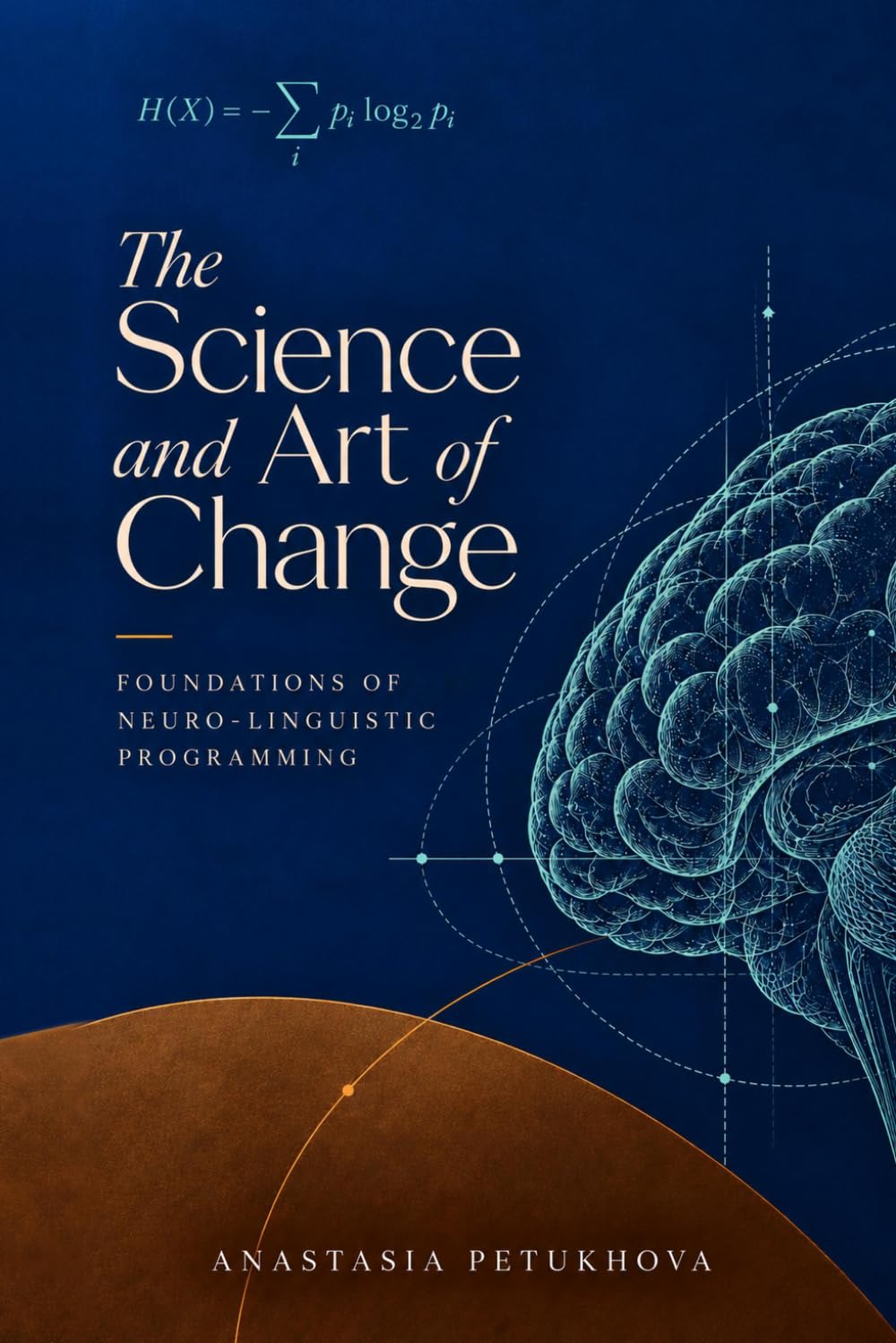
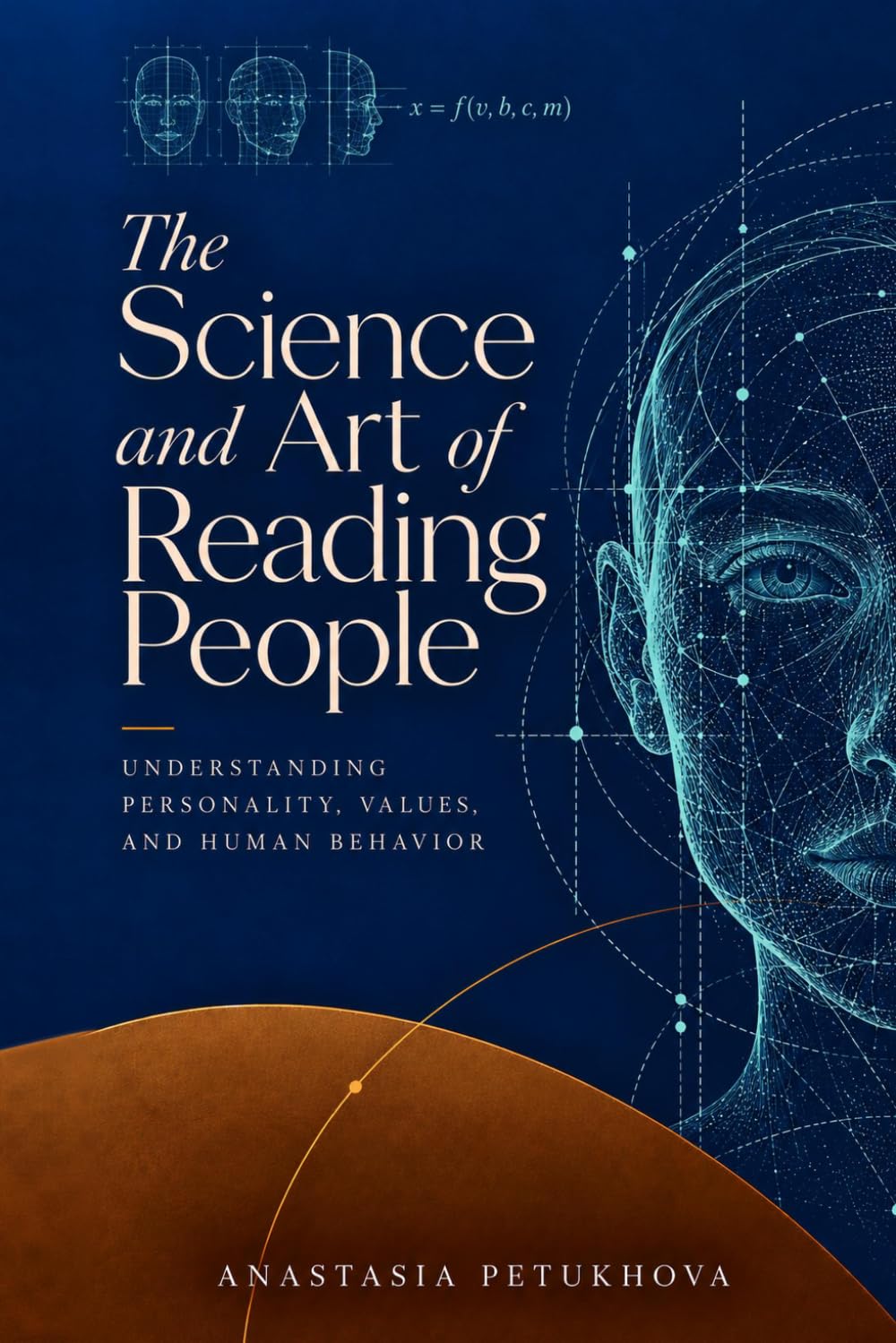
Not a bag of tricks, but a system
In each book, I explain not only what to do, but also why it works and when it should not be used. Step-by-step techniques, examples from real classes, and exercises you can do on your own or with a partner.
Book 1 of 3 · NLP
The Science and Art of Change
Foundations of Neuro-Linguistic Programming: Theory, Principles, Techniques, and Practical Applications
NLP is often taught as a bag of tricks. This book does the opposite.
The book follows the full NLP Practitioner certification course. You will learn to read people and build rapport, turn a vague wish into a clear goal, ask questions that get to the heart of a problem, change habits and limiting beliefs, soften old fears, and resolve inner conflicts.
- Calibration, rapport, and representational systems
- SCORE, well-formed outcomes, logical levels, timeline
- Meta Model, reframing, perceptual positions, TOTE strategies, and metaprograms
- Anchoring, submodalities, belief change, the “Movie Theater” technique, six-step reframing, parts integration
Book 2 of 3 · Hypnosis
The Science and Art of Covert Hypnosis
The Psychology of Influence, Suggestion, and Unconscious Communication
Hypnosis isn’t a trick. It’s a conversation with the unconscious.
Hypnosis is often shown as a stage act or a mysterious power. This book follows the full Ericksonian hypnosis course and explains how it all really works. You will learn:
- what trance is and why you enter it every day
- how to build rapport and work with a client’s request
- the language of indirect suggestion: Milton Model patterns step by step
- how to build your own induction, deepen trance, and give a posthypnotic suggestion
- how to work in trance with the future and the past, fear, painful memories, inner conflict, the shadow, and pain
Book 3 of 3 · People and Values
The Science and Art of Reading People
Understanding Personality, Values, and Human Behavior
We don’t talk to people, we talk to our ideas about people.
We constantly “type” one another, because predictability gives us a sense of safety. This book teaches you to answer the question “who is this person and what can I expect from them” with your eyes open. Step by step, based on my courses:
- Perception: first impressions and cognitive biases
- Observation: calibration, body language, face, voice, signs of stress and deception
- Personality: eight psychological types and how to communicate, negotiate, and sell to each
- Values: Spiral Dynamics, motivation, and relationships